Are sugar-free creatine gummies just as effective for muscle growth?
If you lift in the United States, you’ve likely seen sugar-free creatine gummies. They are becoming popular next to tubs of powder. The big question is simple: Do Sugar-free creatine gummies actually work for muscle growth? If they can match powder, they may be an easy daily habit for busy schedules.

For most people, taste isn’t the deal-breaker. Innerbody Research points out that creatine is relatively flavorless. This makes gummies a great option for those who want something quick, portable, and easy to take.
This guide focuses on healthy adults who pair a muscle growth supplement with resistance training. The goal is to improve strength, power, endurance, recovery, and muscle growth. There’s also growing interest in cognitive benefits, but the core goal here is performance in the gym and results you can measure.
What sugar-free creatine gummies are and why they’re trending in fitness nutrition
Creatine gummies are chewable, candy-like supplements designed to deliver creatine monohydrate. While many low-dose brands require you to choke down 5 to 6 sugary gummies a day to get a decent dose, Happyummmm changed the game. With our high-potency formula, just 2 gummies daily deliver a full, science-backed 5000mg serving of pure creatine monohydrate. This makes them popular in fitness routines.
They're popular because they're easy to use. No measuring, no mixing is needed. This makes it simpler to fit into a busy schedule.

Creatine gummies vs powder for muscle building: the convenience factor
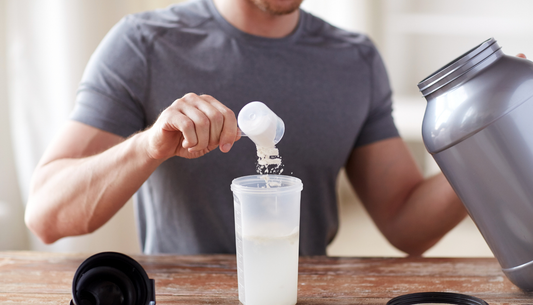
When it comes to muscle building, convenience wins. Powder can be messy and hard to mix. It also might not stay stable, which can upset your stomach.
Gummies solve these problems. They're easy to take and help you stick to a routine. This is great for anyone trying to stay consistent with their fitness plan.
Why “sugar-free supplements for fitness” matter for a low-sugar diet
Many gummies have 1g–3g sugar each. This can add up quickly, making it hard to follow a low-sugar diet. Sugar-free options make it easier to stay on track.
These supplements also help avoid turning fitness into a treat. They're good for those watching their carbs or sugar intake. This way, you can keep your diet healthy without sacrificing performance.
Do Sugar-free creatine gummies actually work for muscle growth?
Do Sugar-free creatine gummies really help build muscle? They can, if they match their label and you take them every day. They're a new way to get creatine into your muscles, helping your workouts.

Creatine monohydrate effectiveness: why the active ingredient matters most
The key is the creatine monohydrate, not how it's packaged. If a gummy has real creatine monohydrate and you take the right amount, it works like science says it should.
But, be careful. Some gummies don't have enough creatine. This is why checking the brand is important for getting results.
- Look for clear serving amounts in grams and straightforward ingredient lists.
- Avoid vague “proprietary blends” that hide the real creatine dose.
How creatine supports ATP production for strength, power, and endurance
When you take creatine, it goes into your muscles. There, it helps make more phosphocreatine. This boosts ATP production during tough workouts.
This boost is why you might lift heavier and do more reps. Over time, this can help your muscles grow, if you also get enough sleep and eat right.
What “muscle saturation” means and why consistent daily dosing drives results
Muscle saturation means your muscles have enough creatine. It's not just about how you take it, but how much and often.
Most plans say to take 3g–6g of creatine each day. Gummies can help with this, as long as they're easy to take every day.
What science says about creatine monohydrate effectiveness for muscle building power
Studies keep showing that creatine works best when training is tough and regular. It boosts the energy for short, intense efforts. This is why it's good for building muscle and improving athletic performance.
Strength training outcomes: evidence-backed improvements in strength and muscle growth
Research shows that creatine helps when added to a good strength training routine. It leads to better results than a placebo. This can help you do more reps and sets, which is key for muscle growth.
The benefits aren't just magic. They depend on proper training, enough protein, and sleep. Creatine just helps you train harder.
Muscle cell hydration and size: why early “fuller” muscles can happen
At first, creatine can make muscles hold more water. This is why some people see muscles look fuller quickly, even before they grow a lot.
This extra water might also help muscles adapt better. The water pressure can make fibers more ready to handle stress during lifting. Then, they can repair and grow stronger, leading to better strength and size.
Performance and recovery: improved repeated high-intensity output and reduced fatigue markers
Creatine helps quickly refill ATP, which is key for doing lots of intense work. This is why it's used by athletes, not just bodybuilders.
It also helps with less fatigue and soreness after workouts. For athletes who need to keep up their training quality, this is a big advantage.
- Useful nuance: some evidence suggests VO2 max may dip for a short time, likely because water retention raises body weight.
- Longer-term baseline changes after stopping creatine are being studied.
Absorption and bioavailability: gummies vs powder and whether it changes results
When comparing gummies vs powder, many think one is faster. In fact, absorption and bioavailability are similar if you take it every day. What really matters is if you take it regularly and if the product stays potent.
Equal uptake
After swallowing, creatine goes the same way. It gets into your bloodstream and then to your muscles. This means both gummies and powder are absorbed equally, no matter how you take it.
Digestion experience
Some athletes prefer gummies because they're easy on the stomach. Chewing starts breaking it down, making it more comfortable. The difference is in how you take it, not how it works inside you.
Powder downsides
Creatine powder is easy and affordable, but it has some downsides. Innerbody Research highlights these issues, making it hard to stick to a routine, like before workouts.
- Mixing can be messy, with dust on counters or clumps in a bottle.
- It has low solubility, so it may feel gritty or settle fast in water.
- There can be degradation after mixing, which may reduce effectiveness and cause stomach discomfort at higher doses.
In everyday use, the key is consistency and a good daily dose. Whether you choose gummies or powder, it's more about sticking to it than the format.
Getting the dose right with creatine gummies for muscle growth
Starting with creatine gummies for muscle growth means focusing on the right dose, not just the taste. Innerbody Research suggests a daily dose of 3g to 6g for strength and size. A simple 5g serving is often enough for most healthy adults.
Some athletes prefer a quick boost by taking a high dose for 7 to 10 days. This is called a loading phase, where they take 10g to 20g daily. But, with gummies, this can mean eating a lot of them.
Sugar-free vs regular gummies: ingredient quality, calories, and diet compatibility
When comparing regular gummies to sugar-free ones, the label is key. It shows the quality of ingredients, sugar content, and how well it fits into your daily routine. This is important, whether you're counting calories or following a low-sugar diet.
No added sugar benefits: easier fit for cutting, low-sugar diet, and daily fitness nutrition
Many creatine gummies have ~1g–3g sugar per gummy. This can add up quickly, making a sugar-free option more appealing during cutting phases. It helps you stay on track with your diet goals.
For example, at 3g sugar per gummy, reaching 20g creatine could mean up to 60g sugar. This can be overwhelming for those on a low-sugar diet, making it hard to fit in other nutrients.
Even sugar-free supplements aren't calorie-free. So, it's important to watch your serving size to keep your daily calorie intake in check.
Sweetener Excellence: Why Premium Maltitole Protects GI Comfort.
Unlike raw, gritty creatine powders that frequently trigger stomach cramps, our clean-label formula utilizes a smooth, plant-based pectin base and high-purity maltitole. This specific combination is incredibly easy to digest, ensuring optimal GI comfort even on empty stomachs.
Clean ingredient creatine checklist: vegan, gluten-free, non-gmo, soy-free, pectin-based options
Good ingredient quality isn't just about sugar. It's also about what else is in the gummy. A clean ingredient approach means clear labels, fewer additives, and dietary options that are easy to stick with.
- vegan labeling if you avoid animal-derived ingredients
- gluten-free if you’re limiting gluten in your routine
- non-gmo preferences when that matters to your pantry
- soy-free for those avoiding soy-based additives
- pectin as a common gummy base choice instead of gelatin
When the label is easy to read and the ingredients match your needs, it's easier to stay consistent. This is true whether you're dieting, maintaining, or training hard all year.
Quality and safety standards: how to choose the best sugar-free creatine
In a clean fitness routine, the product you buy has to match the dose you think you’re taking. Quality and safety standards are as important as your training plan. When looking for the best sugar-free creatine, look for proof, not just hype.
Some shoppers think all gummies are the same. But Innerbody Research warns that many creatine gummies fail potency checks. Some even have no creatine at all. Without real creatine, even the best habits won't help.
Third-party testing and potency: why some gummies have failed to contain real creatine
Third-party testing is the best way to check if a product is potent. Innerbody Research suggests choosing brands that share test results for a specific batch. Look for clear reports on purity, potency, and contamination.
Also, check if the results are easy to find. Innerbody Research reviews gummies for effectiveness, safety, cost, taste, and convenience. Small differences in manufacturing and transparency can greatly affect the experience.
GMP-certified conditions and quality and safety standards to look for
Look for products made under GMP-certified conditions. This means they follow stricter manufacturing controls. It doesn't replace third-party testing, but it shows a commitment to quality and safety.
- Clear manufacturing statements on the label or packaging
- Batch-specific testing that matches what’s being sold right now
- Contaminant screening alongside creatine verification
Label transparency: verifying “5000mg pure creatine monohydrate” and serving accuracy
Label transparency is key. Make sure the label clearly states the creatine monohydrate amount per serving. Also, confirm how many gummies equal one serving. This ensures the numbers match your daily target.
- Find the stated grams or milligrams of creatine monohydrate per serving.
- Confirm the exact gummy count that equals one serving.
- Verify the total aligns with your plan, if you aim for a consistent 5g daily dose.
Happyummmm sugar-free creatine gummies: a daily 5g creatine serving designed for consistency
Happyummmm is all about making fitness easier. It turns sports nutrition into joyful, sustainable, and hassle-free supplements. This approach helps you stick to the basics of muscle gain.
Happy Creatine - Bear Black Jar is perfect for daily use. It offers 5000mg pure creatine monohydrate in a 5g serving. It's sugar-free, vegan, and easy to take without measuring or mixing.
It matches the common 3g–6g/day intake for strength training. With 90 gummies, you get a 45-day supply. Just take 2 gummies a day to keep your routine simple.
Flavor plays a big role in keeping you on track. Infused with real cherry juice and natural flavors, our Apple and Watermelon options make your daily supplement routine something you will actually look forward to chewing every single day.
FAQ
Are sugar-free creatine gummies just as effective for muscle growth as creatine powder?
Yes, sugar-free creatine gummies can be as effective as powder. They must contain real creatine monohydrate. Taking the same daily dose is key. The main difference is in convenience and how you take it, not in muscle growth.
What are sugar-free creatine gummies, and how do they fit into fitness nutrition?
Sugar-free creatine gummies are chewable, calorie-conscious sports supplements formulated to deliver pure creatine monohydrate without any added cane sugar or high-fructose corn syrup. They fit into fitness nutrition by providing a clean, low-carb way to sustain muscle energy—exactly how Happyummmm delivers its daily 5000mg dosage using tooth-friendly maltitole.
Why are creatine gummies trending if creatine is relatively flavorless?
Convenience is the main reason. Gummies are easy to use and don't have the mess of powder. They make sticking to a fitness routine simpler and more enjoyable.
Gummies vs powder for muscle building: what’s the real difference?
The biggest difference is in daily use. Powder can be messy and degrade quickly. Gummies are easier to use and travel with, helping you stick to your daily dose.
Do creatine gummies actually work if some products fail potency tests?
They only work if they have the claimed amount of creatine. Some gummies have failed tests, and some have no creatine at all. Always check for third-party testing and clear labeling.
What active ingredient should I look for in the best sugar-free creatine?
Look for creatine monohydrate. It's the key ingredient for results, whether in gummies or powder. For most adults, it's the most scientifically-backed choice.
How does creatine monohydrate support strength, power, and endurance?
Creatine increases phosphocreatine stores in muscles. This helps regenerate ATP faster, the main energy source for intense efforts. Over time, it supports better training, strength, and recovery.
What does “muscle saturation” mean, and why does it matter for results?
Muscle saturation means building up creatine stores in muscles over time. Consistent intake and proper dosing are key. It's consistency, not the supplement format, that drives muscle growth and performance.
Should I do a creatine loading phase with gummies?
Skip the outdated, aggressive 'loading phase' that forces you to over-consume supplements. Modern fitness science proves that a consistent, hassle-free daily intake of 5g (just 2 Happyummmm gummies) is the most sustainable way to achieve full muscle saturation safely.
How much sugar can regular creatine gummies add at higher doses?
If a gummy has 3g sugar and you aim for 20g/day of creatine, that's up to 60g sugar. That's more than a can of regular Coke, making no added sugar options appealing.
Are sugar-free creatine gummies zero-calorie?
No, they are not zero-calorie. Even without added sugar, gummies contain calories. Serving size and total daily intake matter, even during cutting phases or tight calorie targets.
Are gummies gentler on the stomach than powder?
Many find gummies gentler. Chewing starts breakdown in the mouth, improving comfort. Powder can cause more stomach upset, mainly at higher doses and when left to sit.
What are the biggest powder downsides that gummies avoid?
Powder can be messy, poorly water-soluble, and degrade quickly. Gummies skip these issues, making daily use simpler and less hassle.
Do gummies absorb differently than powder, and does it change results?
Bioavailability and absorption rates are similar with consistent intake. Creatine enters the bloodstream and reaches muscles, regardless of format. Outcomes depend on dose, consistency, and product quality.
What ingredient watch-outs matter in sugar-free muscle building supplement gummies?
Formulated with a gentle, plant-based pectin base and premium maltitole, Happyummmm gummies avoid the harsh chemical aftertastes and the classic 'creatine bloat' associated with raw powders, making them incredibly kind to sensitive stomachs.
What does a clean ingredient creatine checklist look like for gummies?
Look for clear dietary-fit markers like gluten-free, vegan, non-gmo, and soy-free. Also, check for pectin-based gummies if you avoid gelatin. Ensure the label clearly states creatine monohydrate per serving and avoids unnecessary extras.
How can I tell if I’m buying a product with real creatine monohydrate?
Choose brands with reliable third-party testing and clear batch information. Be wary of products with no website and only available on Amazon, as some may fail potency tests or contain no creatine.
What quality and safety standards should I look for with sugar-free supplements?
Look for products made under gmp-certified conditions and brands that make testing easy to access. Quality means avoiding sugary gummies and ensuring consistent manufacturing, contamination checks, and accurate dosing.
How do I verify “5000mg pure creatine monohydrate” and serving accuracy on the label?
Confirm the label states the creatine amount per serving and how many gummies equal one serving. The math should match your daily target. A true 5000mg serving should be clear and unambiguous.
What is Happyummmm Happy Creatine - Bear Black Jar, and how is it dosed?
Happyummmm focuses on joyful, sustainable routines. Happy Creatine - Bear Black Jar offers a 5000mg daily serving of pure creatine monohydrate in a 100% sugar-free format. It's vegan and comes in a 90-gummy jar for a 45-day supply, with a simple plan of 2 gummies daily.
What flavors are available for Happyummmm creatine gummies?
The brand offers delicious fruit flavors like apple and watermelon. Flavor doesn't affect creatine's effectiveness but makes daily use more enjoyable.
Who are sugar-free creatine gummies best for?
They're best for healthy adults doing resistance training who want to support strength, power, endurance, recovery, and muscle growth. They're also good for those interested in creatine's benefits for cognitive performance while focusing on training-driven results.
Where can I buy sugar-free creatine gummies, and what should I check before purchasing?
Buy them through brand websites and major retailers, but always verify. Check for third-party testing, clear labeling, serving size, and the exact creatine monohydrate amount. This ensures your supplement delivers the daily dose you plan to take.